
cafe especialidad

How long does whole bean coffee last? The date that actually matters

Coffee beans don't expire: they fade. The three clocks running at once, where the good window sits after roasting, and why the best-before on the bag tells you nothing.

Sufí Kafé5 min de lectura
Bolsa de café de especialidad con la fecha de tueste impresa junto a granos recién tostados
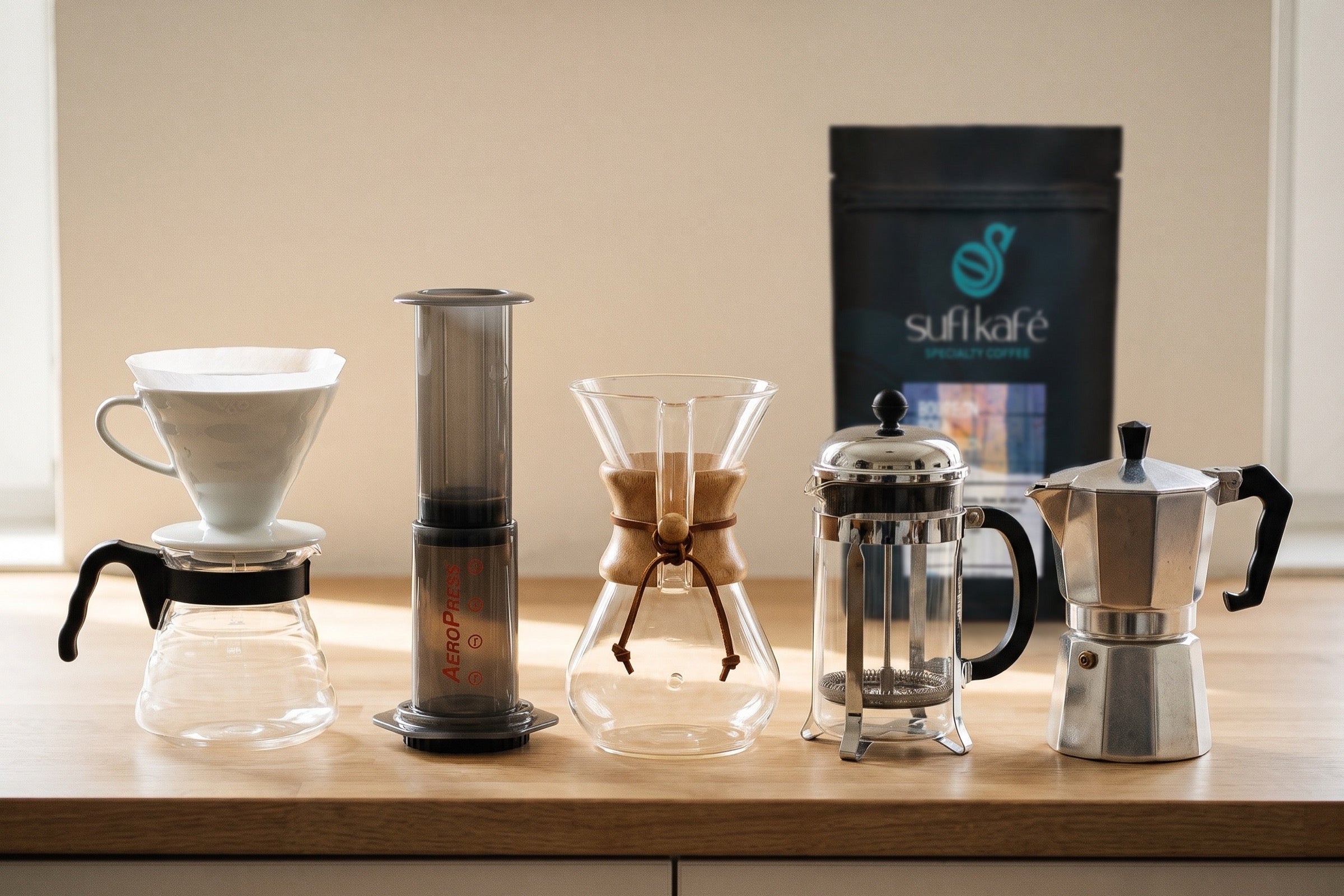
V60, Aeropress, Chemex, French press or moka: which method suits you? Reading How long does whole bean coffee last? The date that actually matters 5 minutes

The question has a catch. Whole bean coffee doesn't "expire": it fades. There's no day on which it stops being drinkable, there's a slope down which it loses what you paid for — first the high aromatics, then the sweetness, and at the end all that's left is body and a dry note of cardboard.

In short
  • What matters is the roast date, not the best-before.
  • The sweet spot: between 7 and 30 days from roasting.
  • An open bag holds up well for three or four weeks.
  • Ground, half the aromatics are gone in fifteen minutes.

The three clocks running on coffee

There isn't one countdown, there are three running at once, and mixing them up is what leads to buying badly.

01
Degassing
In the first days after roasting the bean releases CO₂. Until that drops, water extracts badly. This clock works in the coffee's favour: let it run.
02
Oxidation
Once the CO₂ has gone, oxygen comes in. It attacks the volatile compounds first — the florals, the fruit — and then turns the lipids rancid. This is the one to slow down.
03
Moisture
The bean is hygroscopic: it takes on water and smells from around it. Which is why the fridge is the worst place in the house to keep it.

The good window

Between those three clocks there's a window, and it's wider than the purists say and much shorter than the supermarket suggests.

Days 0–5Not yettoo much CO₂, uneven extraction
Days 7–30Its momentaroma and stability in balance
Days 30–60Fineloses nuance, still tastes good
Past 90Fadedflat, with notes of wood and cardboard

For espresso the window opens slightly later — CO₂ is more of a problem under nine bars — and for filter you can go in earlier. But day to day, that one-to-four-week range is the one that matters.

Stale coffee doesn't smell bad. It smells of very little. Which is why almost nobody notices they've been drinking old coffee for months.

Why the date on the bag is almost never any use

The law requires a best-before date, and for coffee it's usually set at twelve to twenty-four months. That's a food safety date: at eighteen months that coffee still won't do you any harm. But in flavour terms it's been dead for over a year.

What actually tells you something is the roast date. If a bag only carries a best-before, that's not an oversight: it's that nobody wants you to know when it was roasted. Ours is printed on the bag, and that's why we roast by the week instead of stacking pallets.

How much to buy at a time

The commonest mistake isn't storing it badly, it's buying too much. If you make two coffees a day you get through around 250 grams every two and a half weeks; a kilo bag will last you two and a half months, and the last third won't taste the same.

Coffees a day Weekly use Size that suits
1 ≈ 50 g 250 g every five weeks
2 ≈ 100 g 250 g every two and a half weeks
4 ≈ 200 g 250 g every week and a half, or two bags a month
More than 6 ≈ 300 g or more Fortnightly subscription
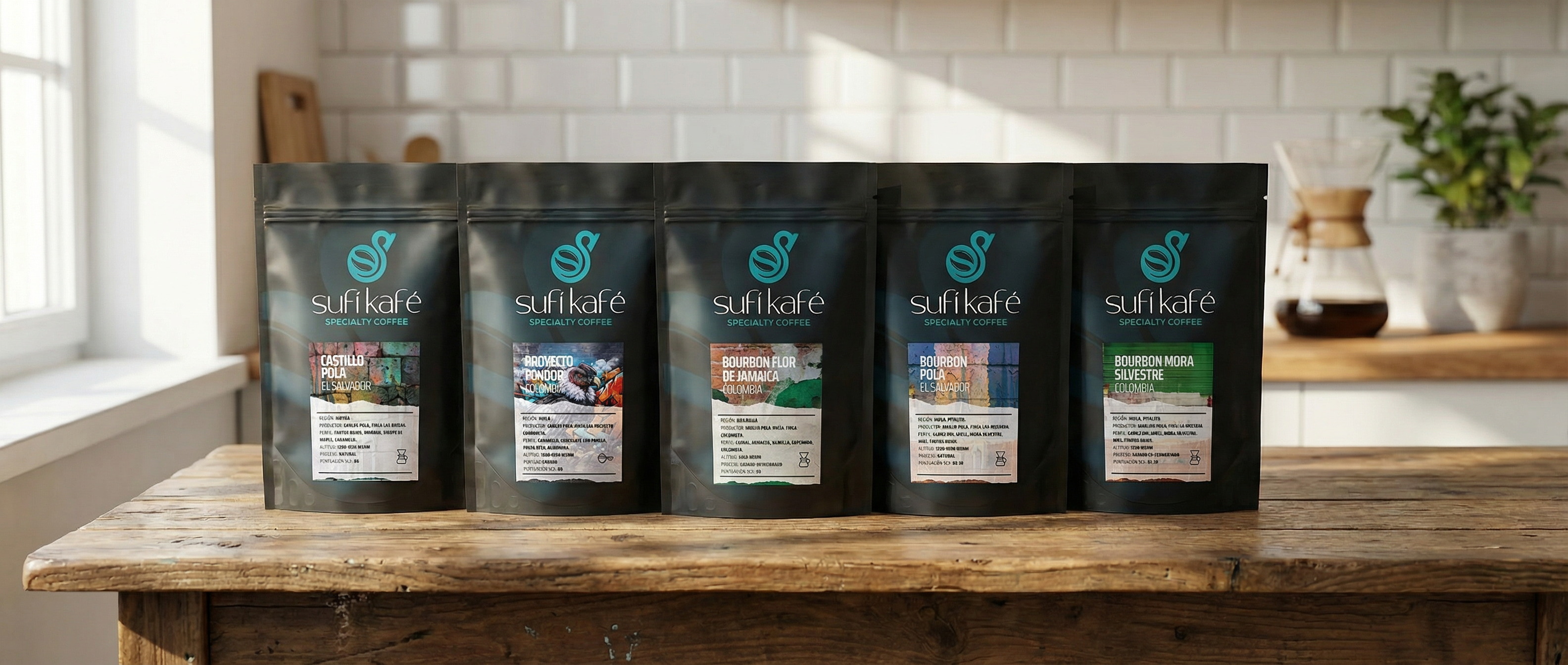
Sufí Kafé Tasting Pack, five 100 g microlots
A size that gets finished fresh
Tasting Pack — 5 microlots
Four 100 g bags. They run out before they lose anything, and you get through four profiles.
€40.10 · Buy

How to keep it at home

Yes
Whole bean
Grinding multiplies the exposed surface by hundreds. Grind only what you're about to brew.
Yes
Its own bag
With the valve and properly sealed, it beats most designer canisters.
No
The fridge
It condenses moisture when you take it out and absorbs the smell of everything else.
No
On top of the machine
Heat and steam: the handiest spot, and the one that kills it fastest.

Quick questions

What about freezing it?
It works, with conditions: small vacuum-sealed doses, and take one out and never put it back. Every thaw condenses water onto the bean. Day to day it isn't worth it; for keeping an exceptional lot, it is.
How do I know if mine has gone?
Two signs. In the filter bloom it barely foams, because there's no CO₂ left. And on the nose, instead of fruit or cocoa, it smells vaguely of old nuts.
Does decaf last as long?
Less. Decaffeination leaves the bean more porous and fragile, so it oxidises sooner. With decaf, always go for small sizes.
Can I still use it if it's been open a year?
It won't do you any harm, but you won't taste the coffee you bought. For that, better a cold brew or something with milk, where the fault shows less.
Roasted this week

We roast by the week and the date is printed on the bag. It isn't marketing: it's the only figure that tells you what you're buying.

Tasting Pack · €40.10 Club Microlotes · €17.90/month
La guía del obrador · gratis
Prepara café de especialidad en casa

Ocho páginas con los ratios, las recetas de V60, espresso, moka y prensa, y el diagnóstico rápido para cuando una taza no sale como debería. Es lo que contamos a quien nos pregunta en el obrador. Te la mandamos al correo.

Sin spam y sin descuentos de saldo: café, método y poco más. Te das de baja cuando quieras.