

When you're told that specialty coffee costs twice as much as supermarket coffee, the first thing you think is: does the difference really justify the price? Let's break it down for you without any fluff.
The technical definition
The term "specialty coffee" was coined by the SCA (Specialty Coffee Association) and has an objective criterion: a coffee that scores above 80 out of 100 in a professional tasting conducted by a certified Q-Grader. Below 80 is commercial coffee. Above 87, we’re talking about exceptional microlots.
To achieve that score, the bean must meet several criteria:
- Practically zero defects in the green bean (no black beans, no stones, no empty beans).
- Selective harvesting: only ripe cherries, picked by hand one by one.
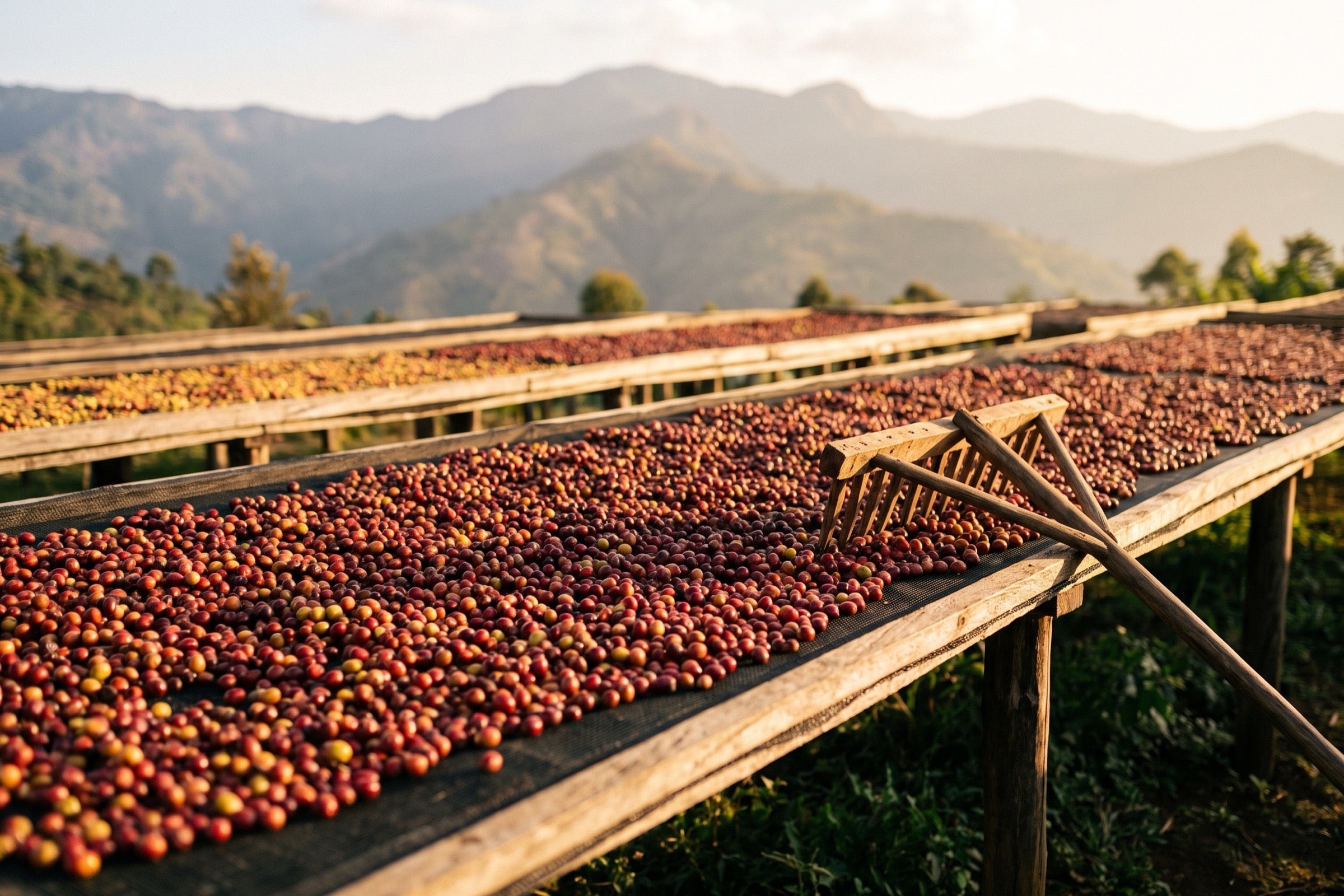
- Controlled processing: washed, honey, natural, or anaerobic, all with measured times and temperatures.
- Real traceability: you know the country, region, farm, producer, varietal, and altitude. No "blend of various origins" without a name.
- Fresh roasting: roasted in small batches by a professional roaster, not industrially.
Tasting notes
A well-prepared specialty coffee has three things that commercial coffee does not:
- Natural sweetness. Not the sugar you add: the inherent sweetness of the bean. Reminiscent of panela, honey, ripe fruit.
- Positive acidity. Not the harsh acidity of burnt coffee, but the citrus or fruity spark found in good white wines.
- Recognizable notes. When you read "notes of raspberry, pomegranate, hibiscus" on a specialty package, it’s not marketing — those are aromas that are genuinely present.
Why it costs more
Specialty coffee costs more because the producer is paid more. Much more. A kilo of specialty green coffee from a well-regarded microlot can cost 5-10 times what a coffee farmer earns for commercial coffee.
This pays for: selective manual harvesting, clean processing infrastructure, decent wages for workers, and the ability to invest in improving the farm. A coffee that tastes good and hasn’t been produced at anyone's expense.
How to prepare it
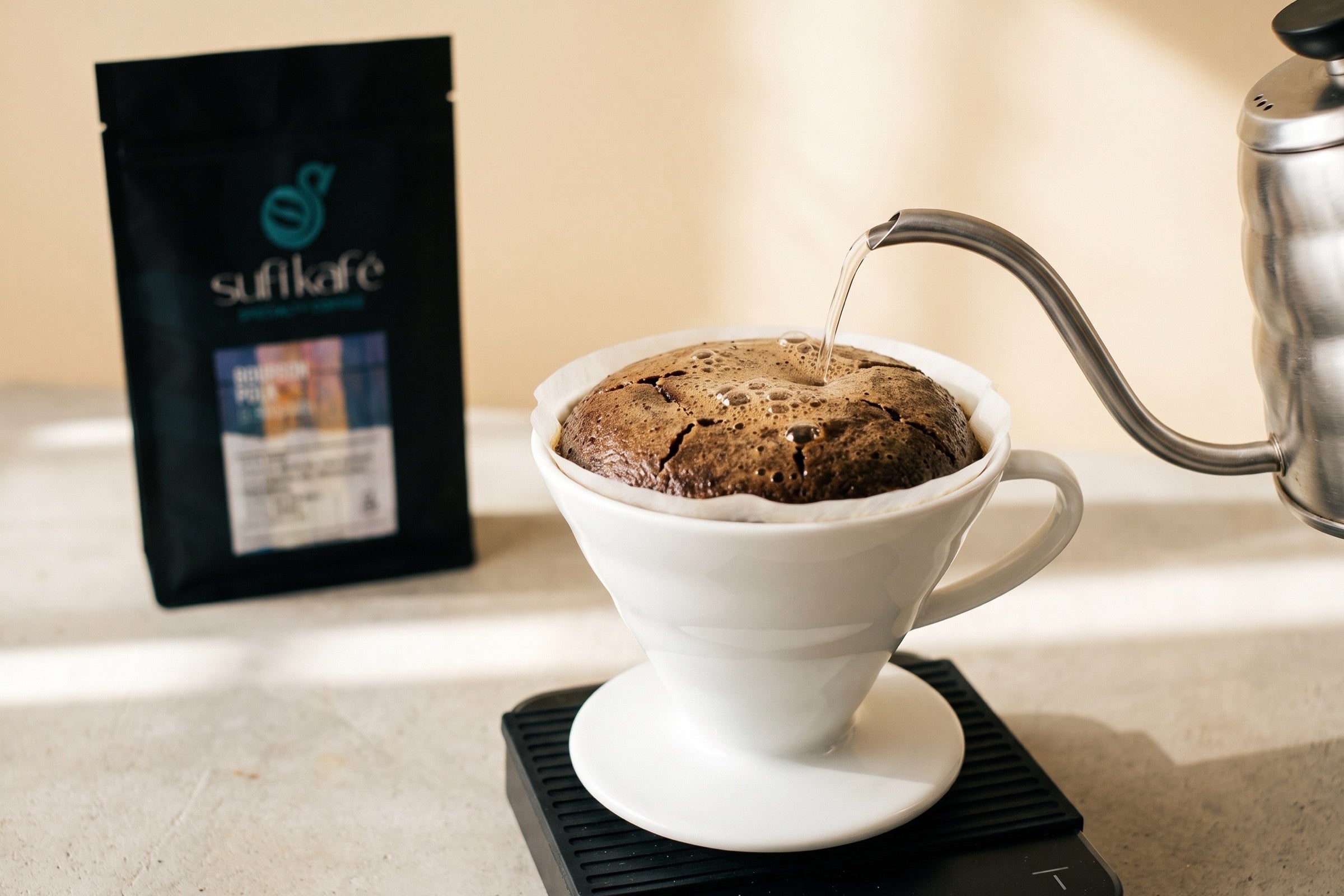
Any specialty coffee deserves a method that respects its profile. To start, we recommend V60, which extracts the notes cleanly. If you want espresso, make sure your machine can achieve 1:2 ratios and controlled temperatures.
Whatever the method, two rules:
- Grind just before brewing. Ground coffee loses aromas in just minutes.
- Filtered water. Hardness and minerals radically change extraction.
Where to start
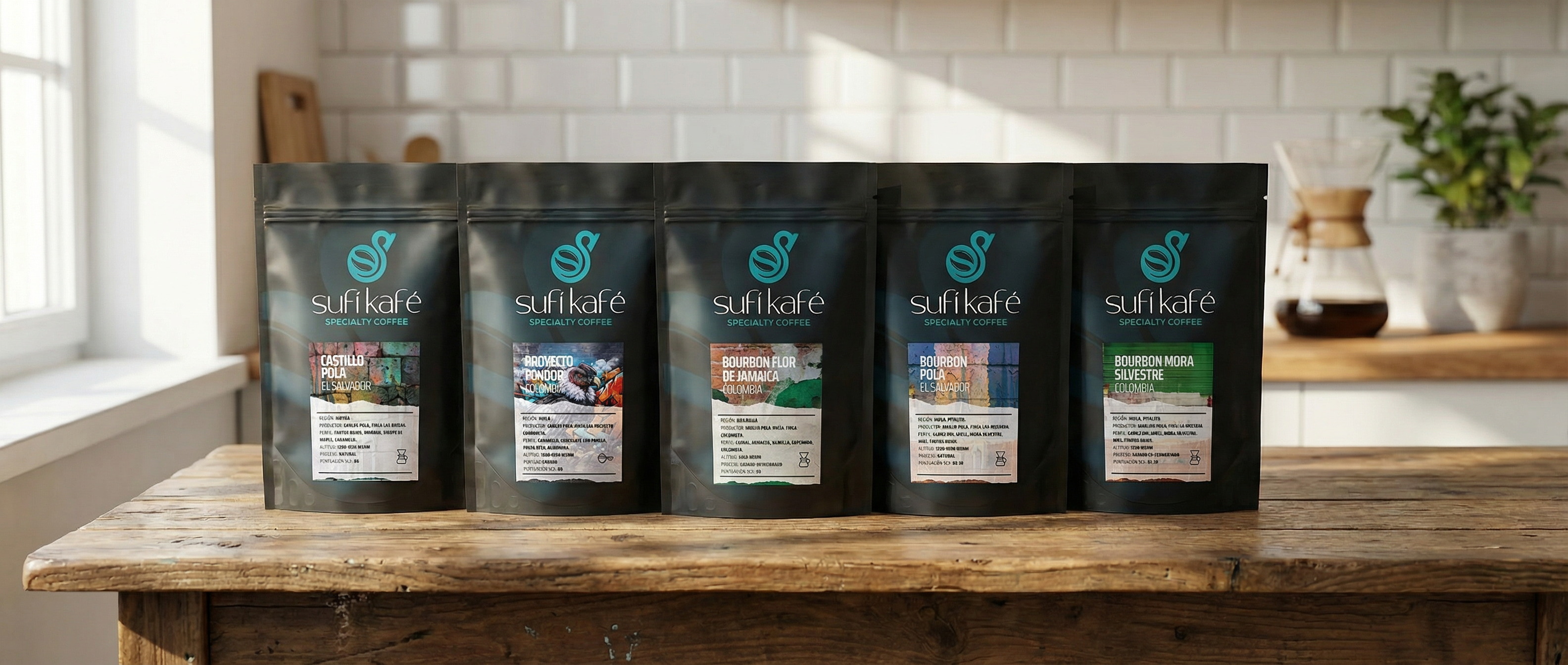
If you’ve never tried specialty coffee, we recommend our Tasting Pack: 4 microlots of 100 g with different origins and processes. The quickest way to refine your palate and discover which profile suits you.
Or if you already know what you're looking for, check out our filter catalog.
And if you have specific questions, drop by any of our cafés in Salou or Cambrils. We’ll show you live.